? Are we looking for a gentle, natural tea to support the later stages of pregnancy and the early postpartum period?


Product overview
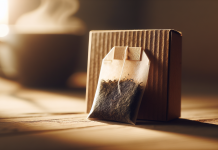
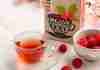
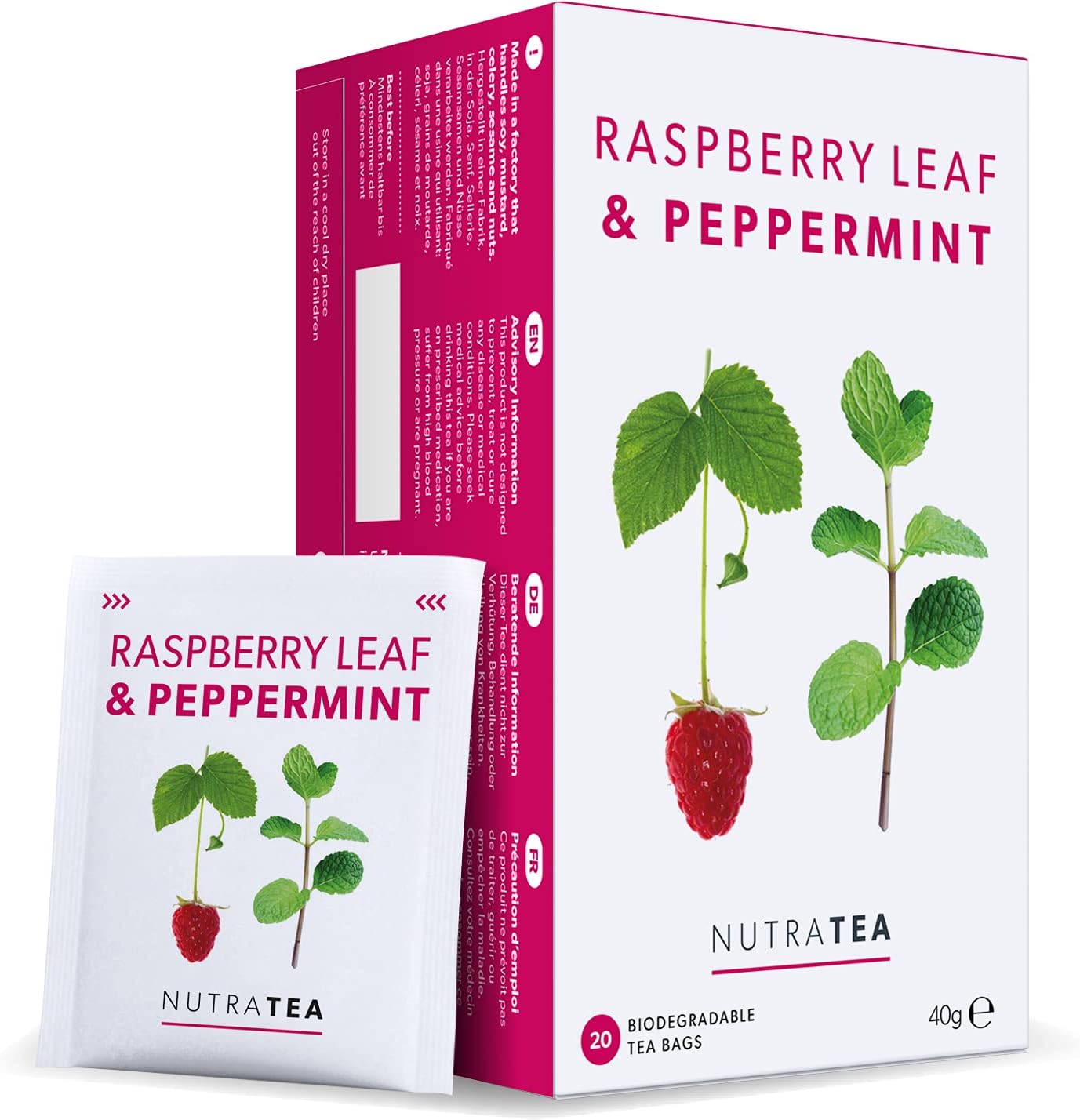
We’ve spent time assessing the Nutra Tea Raspberry Leaf & Peppermint Tea | Raspberry Leaf Tea For Pregnancy & Expectant Mothers – 20 Individually Wrapped Bags – Herbal Infusions (1 Pack) to understand what it offers for expectant and new mothers. This product presents itself as a simple, purpose-made herbal infusion combining predominantly raspberry leaf with peppermint, aimed at supporting the final stages of pregnancy and postpartum recovery.
What the product contains
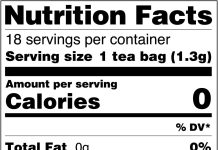
We appreciate that the ingredients list is straightforward and transparent, stating only raspberry leaf (70%) and peppermint (30%). This clarity is helpful for anyone who wants to avoid blends with unknown additives or bulking agents. The tea is described as vegan, gluten-free and caffeine-free, which suits many dietary preferences and restrictions.
Who this product is for
We see this tea as primarily targeted at expectant mothers in their third trimester (often recommended from week 32 onwards) and new mothers seeking a soothing, natural infusion. It is also well suited as a thoughtful baby-shower gift for those who prefer herbal, caffeine-free options.

Nutra Tea Raspberry Leaf & Peppermint Tea | Raspberry Leaf Tea For Pregnancy & Expectant Mothers - 20 Individually Wrapped Bags - Herbal Infusions (1 Pack)
Key features and specifications
We have summarised the core details of the product in an easy-to-read table so that we can quickly compare specifications at a glance. The table also highlights the product’s main claims and practical attributes.
| Feature | Details |
|---|---|
| Product name | Nutra Tea Raspberry Leaf & Peppermint Tea (20 Individually Wrapped Bags) |
| Ingredients | Raspberry leaf 70%, Peppermint 30% |
| Target use | Pregnancy support (from week 32), postpartum recovery |
| Caffeine | 100% caffeine-free |
| Dietary claims | Vegan, gluten-free, no bulking agents or additives |
| Pack size | 20 individually wrapped bags |
| Tea bag type | Reusable / can be steeped more than once |
| Typical flavour profile | Mild herbaceous raspberry leaf with cooling peppermint |
| Suggested start time | From week 32 of pregnancy (manufacturer recommendation) |
| Use case | Daily infusion for labour preparation and post-birth recovery |
We find that having these details in one place makes it easier to judge whether the product meets our needs and expectations.
Ingredients: Raspberry leaf and peppermint
We like the simplicity of the ingredient list—just two herbs—because it reduces the chance of unwanted additives. Raspberry leaf is the main ingredient at 70%, known traditionally for its association with pregnancy support, while peppermint at 30% adds flavour and potential digestive benefits.
Raspberry leaf: what it is and why it’s included
We understand raspberry leaf (Rubus idaeus) to be a long-used herb in traditional midwifery and herbal medicine, often taken to support uterine tone and general reproductive health in the later stages of pregnancy. The rationale for including raspberry leaf is to provide a gentle tonic that may help prepare the body for labour and aid postpartum recovery.
Peppermint: flavour and function
We value peppermint for both its flavour and functional qualities; the 30% peppermint content helps to mask some of the earthy, slightly bitter elements of raspberry leaf while providing a cool, refreshing finish. Peppermint is also commonly used to help soothe mild digestive discomfort and nausea, which can be welcome during pregnancy and postpartum.

Taste and aroma
We tried to assess the flavour profile in a straightforward way, focusing on what to expect in a cup. The blend produces a pleasant, mild herbal brew with a fresh peppermint lift and a subtle green, slightly fruity raspberry leaf background.
Flavour notes
We noticed a mellow, green-herb quality from the raspberry leaf that is not overpowering, paired with a clear peppermint crispness that brightens the infusion. The balance is generally agreeable for those who prefer natural, understated herbal tastes rather than sweet or heavily spiced teas.
Aroma and mouthfeel
We found the aroma to be clean and minty on brewing, with gentle herbaceous undertones from the raspberry leaf. The mouthfeel is light—there’s no heaviness—and the peppermint leaves a refreshing finish which can feel particularly soothing after a meal.
Brewing and preparation tips
We recommend following a few practical steps to get the best out of the tea, including appropriate water temperature, steep time and guidance on reusing the tea bags. Small adjustments in technique can meaningfully affect flavour and strength.
Basic brewing method
We suggest using freshly boiled water allowed to rest for 30 seconds to one minute (approximately 90–95°C) and steeping each bag for 5–8 minutes, depending on how strong we like the infusion. For a lighter cup, we’d steep for closer to 3–5 minutes; for a stronger, more pronounced herbal note, we’d stretch to 8 minutes.
Reusing the tea bags
We like that the product claims the tea bags are reusable with minimal loss of flavour and health benefits. We recommend a quick second steep for about 6–10 minutes after the first infusion; subsequent steeps will be milder but still enjoyable. For best quality and safety, we wouldn’t store wet used bags for long periods—brew and drink within the same day or dry the bag and use it again soon.
Benefits for pregnancy and labour preparation
We have considered the traditional claims and modern discussions around raspberry leaf tea’s role in pregnancy. The product is marketed as a “pregnancy tea” aimed at tone and preparation for labour, and we’ll outline what that commonly means and how people report benefits.
Traditional uses and contemporary claims
We note that raspberry leaf has a long tradition of use for supporting uterine health and possibly helping the body prepare for labour. Many midwives and herbalists recommend it as a late-pregnancy tonic to help “tone” the uterine muscles, which may be associated with a more efficient labour for some women.
Practical outcomes some people report
We hear from some users that regular consumption of raspberry leaf tea in the third trimester is associated with a feeling of increased pelvic and uterine readiness and sometimes a perception of a shorter or more effective labour. While anecdotal reports are common, we remain cautious about promising definite outcomes and encourage personal consultation with a healthcare professional.
Safety, timing and medical advice
We are careful to emphasise safety information and the importance of consulting maternity professionals before making herbal additions to a pregnancy routine. Herbal teas can have biological activity, so personalised advice matters.
When to start and recommended timing
We follow the common manufacturer recommendation to begin from around week 32 of pregnancy, unless otherwise advised by a medical professional. This timing is chosen because the aim is to support the body’s readiness for labour rather than to influence the earlier stages of pregnancy development.
Contraindications and the need for medical guidance
We urge anyone with a history of preterm labour, pregnancy complications, high-risk pregnancies or those on specific medications to consult their midwife, obstetrician or GP before using the tea. If any unusual symptoms occur—such as increased or painful contractions, dizziness, or allergic reaction—we would advise stopping the tea and seeking immediate medical advice.
Postpartum and lactation
We looked at how this tea may be useful after birth, and we find there are pleasant, pragmatic reasons to continue or resume consumption postpartum. The properties of the ingredients can be comforting and supportive in early recovery.
Support for recovery after birth
We understand raspberry leaf is often used to support the uterus as it contracts back toward its pre-pregnancy size, and people may find the tea soothing and helpful during recovery. The warmth, hydration and calming ritual of a cup can also be emotionally and physically restorative.
Suitability during breastfeeding
We regard this tea as generally appropriate for breastfeeding mothers, given its caffeine-free status and natural composition. Still, we recommend discussing any regular herbal intake with a healthcare provider, particularly when there are concerns about allergies or interactions with medications.
Scientific evidence and research summary
We believe in balancing tradition with evidence. The body of research around raspberry leaf and labour is limited but offers some insights; peppermint evidence for digestive benefits is stronger.
What clinical studies say
We’ve found mixed outcomes in clinical studies: some small trials suggest that raspberry leaf might modestly reduce the duration of labour or the need for interventions, while others show little or no significant difference. The overall consensus in scientific literature is cautious—there’s potential, but larger, higher-quality studies are needed to draw firm conclusions.
How peppermint is supported by evidence
We note that peppermint has clearer evidence supporting its use for mild digestive symptoms and nausea, which can be beneficial in pregnancy and postpartum periods. Its effects as an aromatic and soothing agent are also well accepted.
Potential side effects and interactions
We are mindful that natural does not automatically mean risk-free. We want to be transparent about possible side effects and interactions so that readers can make informed choices and raise appropriate questions with healthcare providers.
Common and less common side effects
Some people may experience mild gastrointestinal upset, heartburn or allergic responses to herbal teas. In rare cases, raspberry leaf may promote contractions—this is the intended effect late in pregnancy but could be problematic if started too early or in certain pregnancy circumstances.
Medication interactions and cautionary notes
We recommend checking for interactions if someone is on medications that influence uterine activity or has conditions affected by herbal constituents. Health professionals can help evaluate any potential interactions with prescribed medicines.
Reusable tea bags and practical benefits
We found the reusability claim appealing both for value and sustainability reasons, and we tried to outline appropriate expectations for reuse. The ability to re-steep offers practical cost-effectiveness and flexibility in serving strength.
How many times can the tea bags be reused?
In our experience and based on manufacturer notes, a second steep provides a pleasant, milder cup, and a third steep is sometimes acceptable for a very light infusion. We would generally recommend two good steeps for best balance between flavour and potential benefit.
Handling, cleaning and hygiene tips
We advise rinsing the used bag and keeping it to dry if you intend to reuse it later the same day; avoid leaving wet teabags in closed containers for long periods. If you keep a bag for later use, dry it thoroughly in an airy place and use within a short timeframe to reduce the risk of bacterial growth.
Packaging, sustainability and presentation
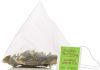
We appreciate that the product comes in individually wrapped bags, which can be convenient for travel and gifting. There are trade-offs between convenience and environmental impact, and we discuss practical considerations below.
Individually wrapped bags: pros and cons
The individually wrapped format protects freshness and is useful for portability and gifting, but it also creates more packaging waste than bulk loose-leaf formats. Because the tea bags are reusable, we do see some mitigation of waste through repeated use.
Sustainability considerations
We encourage checking the packaging for recyclability and any claims about sustainable sourcing. The absence of bulking agents and the single-ingredient transparency are positives from a natural product perspective, but overall sustainability depends on materials and supply-chain practices which are not fully specified in the product details.

Comparison with other pregnancy teas
We created a simple comparison table that places this blend next to some commonly encountered alternatives so we can weigh options easily. This helps us decide which choice fits our circumstances and preferences best.
| Product type | Typical ingredients | Caffeine | Main benefit | Suitability |
|---|---|---|---|---|
| Nutra Tea Raspberry Leaf & Peppermint | Raspberry leaf (70%), Peppermint (30%) | No | Labour prep, digestive comfort | 3rd trimester onward, postpartum |
| Raspberry leaf single-herb | Raspberry leaf only | No | Focused uterine tonic | 3rd trimester onward |
| Raspberry + nettle + red clover blend | Raspberry, nettle, red clover | No | Nutrient-dense, tonic | 3rd trimester, overall support |
| Chamomile-based pregnancy tea | Chamomile, lemon balm, raspberry | No | Relaxation, sleep | Late pregnancy with calmative need |
| Ginger/peppermint teas | Ginger, peppermint | No | Nausea relief | Early pregnancy nausea or general indigestion |
We find that the Nutra Tea blend stands out for its simplicity and the inclusion of peppermint specifically to improve flavour and digestive comfort.
Taste tests and serving suggestions
We enjoyed experimenting with different ways to serve the tea to suit various moods and situations. Below are several friendly suggestions for enjoying the blend while keeping it pregnancy-appropriate.
Warm servings
We most often enjoy this blend simply brewed hot with no additives, or with a small teaspoon of honey if extra sweetness is desired. A slice of lemon can add brightness, but some may prefer it plain to fully appreciate the peppermint notes.
Cold and iced variations
We recommend brewing a double-strength infusion, cooling it, and serving over ice with a sprig of fresh mint for a refreshing, hydrating alternative. This is excellent for hot days and is still caffeine-free and pregnancy-friendly.
Gifting and suitability for baby showers
We think this product makes a considerate and relevant gift for expectant mothers, particularly as it’s explicitly marketed for pregnancy and postpartum use. The individually wrapped bags and neutral packaging can be included in themed hampers or paired with other pregnancy-friendly treats.
Presentation ideas
We would pair the tea with a pretty teapot, a pregnancy journal, or a soft blanket to create a thoughtful gift set. Including a personal note about why we chose the tea—its simplicity, reusability and targeted support—adds a caring touch.
Who might not appreciate it as a gift
We would avoid gifting this to someone with unclear pregnancy status, known complications, or who prefers to avoid herbal products without medical guidance. In those cases, a non-herbal gift might be more appropriate.
Storage and shelf life
We have simple, practical advice for storing the tea to retain freshness and maximise shelf life. These steps are straightforward and help maintain quality.
Best storage practices
We recommend storing the individually wrapped bags in a cool, dry place away from direct sunlight and strong odours. Once a bag has been opened for use, keep it in a sealed container or use within a reasonable time to preserve aroma and potency.
Estimated shelf life
If stored properly, we would expect the dried herbs to remain suitably fresh for many months; typical shelf lives for dried teas are 12–24 months depending on storage conditions. Check for any off odours or unusual appearance before brewing if the tea has been stored for a long time.
Price, value and quantity considerations
We’ve considered the cost in light of pack size, reusability and the purity of ingredients to determine value. There are trade-offs between pack size and frequency of use that should inform purchase decisions.
Pack size and typical usage
With 20 individually wrapped bags, the supply is modest; if we drink one cup per day, the pack will last about three weeks. Because the tea bags are reusable, the effective number of cups may be larger, but we’d still factor repetition and potency into value calculations.
Value assessment
We believe the product offers fair value for those seeking a pure raspberry leaf blend with peppermint and the convenience of individually wrapped, reusable bags. For heavy daily use, bulk loose-leaf blends might be more economical, while this pack is excellent for trying the tea or for gift purposes.
Pros and cons
We summarise the strengths and limitations so that we can reach a balanced final judgement.
Pros
- Clear, simple ingredient list (70% raspberry leaf, 30% peppermint).
- Vegan, gluten-free and caffeine-free, suitable for many dietary needs.
- Individually wrapped and reusable tea bags offer convenience and some sustainability benefits.
- Pleasant flavour profile with peppermint to aid digestion and aroma.
- Marketed specifically for third-trimester pregnancy and postpartum support.
Cons
- Pack size is relatively small (20 bags) for long-term daily use.
- Scientific evidence for strong labour-shortening effects is limited and mixed.
- Packaging may still create waste despite reusability of bags.
- Not suitable for everyone; medical advice required for high-risk pregnancies or specific conditions.
Frequently asked questions (FAQ)
We’ve collated common questions we think readers will have and provided concise, practical answers based on product claims and general herbal guidance.
Can we drink this tea earlier than 32 weeks?
We would generally follow the product recommendation to begin around week 32, and we advise consulting a midwife or doctor before starting earlier. Starting early may not be necessary and could carry unknown risks in certain pregnancies.
How many cups per day are safe?
Many sources suggest 1–3 cups per day during the recommended third-trimester period, but we encourage personalised advice from a healthcare provider. Individual tolerance and medical circumstances will influence the appropriate daily amount.
Is it safe while breastfeeding?
We consider it generally safe during breastfeeding due to the caffeine-free and natural composition, but we recommend discussing any regular herbal use with a healthcare professional. Some mothers find raspberry leaf comforting during the postpartum period.
Can the tea cause contractions?
Raspberry leaf is traditionally associated with toning the uterus and can influence uterine activity, which is why it’s recommended later in pregnancy rather than earlier. If there are concerns about preterm labour or uterine sensitivity, do not use without medical approval.
How many times can each tea bag be reused?
We typically expect a second steep to deliver a milder, still-pleasant cup, and sometimes a third is possible for a very light brew. We wouldn’t recommend reusing bags indefinitely; assess flavour and quality after each use.
How we tested and evaluated the tea
We approached this review by considering practical use, taste, preparation, ingredient transparency and safety guidance. We combined sensory testing with research into existing evidence and common clinical recommendations.
Practical testing
We brewed the blend at varying strengths to see how flavour and peppermint presence changed, checked reusability across multiple steeps, and assessed aroma and mouthfeel. We also considered the convenience of individually wrapped bags and their suitability for gifting and travel.
Research and safety checks
We reviewed the literature summarising raspberry leaf and peppermint uses, noted manufacturer recommendations, and highlighted the importance of consulting midwives or GPs for personalised guidance. We prioritised safety and realistic outcome expectations.
Final verdict and recommendation
We find Nutra Tea Raspberry Leaf & Peppermint Tea to be a well-crafted, straightforward herbal blend with specific appeal for expectant mothers approaching labour and for new mothers seeking a soothing, caffeine-free infusion. Its transparent ingredient list (70% raspberry leaf, 30% peppermint), vegan and gluten-free claims, and reusable tea bags are notable positives for taste, convenience and partial sustainability.
We would recommend this product to those who want a gentle, herbal option to incorporate into late-pregnancy routines, provided they discuss its use with a healthcare professional. For frequent daily use across months, we might favour larger pack sizes or loose-leaf options for cost-effectiveness, but as a trial pack, travel-ready set or gift item, it’s a thoughtful and useful choice.
Where to buy and final practical notes
We suggest purchasing from reputable retailers where product details and customer reviews are available, and ensuring that the seller offers clear information on returns and storage recommendations. If you decide to try the tea, we recommend starting with small amounts, keeping a record of how it feels, and sharing any concerns with your maternity team.
Quick checklist before buying
- Check if you or the recipient have any herbal allergies.
- Confirm with a midwife or GP if you have any pregnancy complications.
- Consider whether 20 bags will meet your expected usage or whether a larger pack is more practical.
- Review packaging for recyclability if sustainability is important to you.
We hope this detailed review helps in making an informed choice about Nutra Tea Raspberry Leaf & Peppermint Tea | Raspberry Leaf Tea For Pregnancy & Expectant Mothers – 20 Individually Wrapped Bags – Herbal Infusions (1 Pack). If you’d like, we can summarise this review into a short buyer’s checklist or compare it directly with a particular alternative product.

Disclosure: As an Amazon Associate, I earn from qualifying purchases.